


What to Look for When Choosing a Yoga Wear Manufacturer
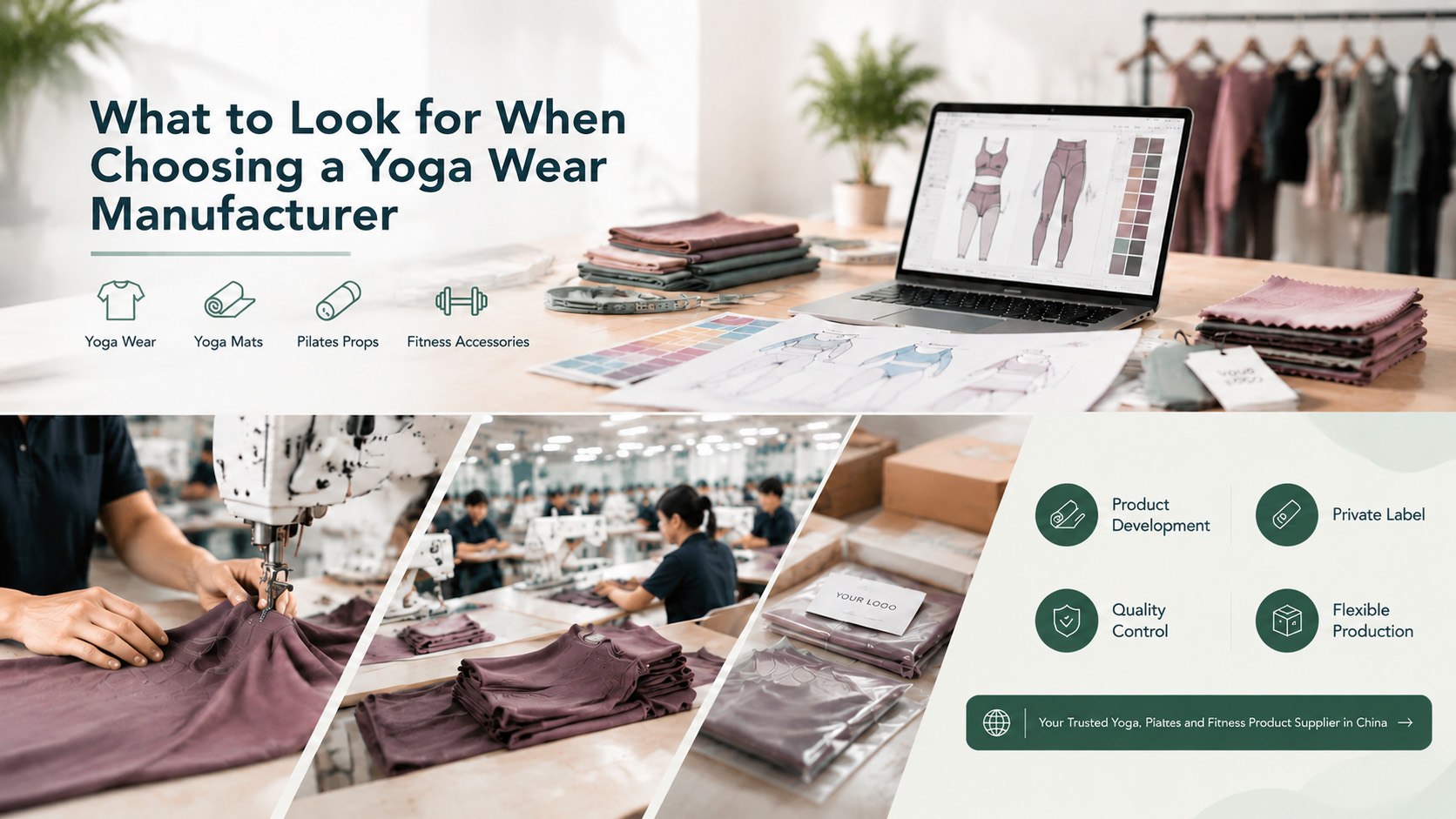
Choosing the right yoga wear manufacturer is an important sourcing decision for activewear brands, wholesalers, retailers, and businesses planning to launch or expand their own product collections. A reliable manufacturing partner can help you develop products, customize branding, manage production, maintain quality standards, and support your long-term purchasing needs.
For B2B buyers, the decision involves much more than comparing unit prices. Minimum order quantities, product development capabilities, customization options, production capacity, quality control, and delivery planning all affect purchasing costs and business performance.
Whether you are building a private-label yoga wear brand, sourcing products for retail distribution, or expanding an existing yoga and Pilates collection, choosing a supplier that understands your business requirements can make the sourcing process more efficient.
In this guide, we will explain what wholesale buyers, brand owners, and purchasing teams should look for when choosing a yoga wear manufacturer and how to evaluate a potential long-term supplier.
1. Evaluate Product Development Capabilities
For brands developing their own collections, a manufacturer's product development capabilities can directly influence how efficiently new products move from concept to market.
A supplier should understand your target customers, product positioning, technical requirements, and commercial objectives, rather than simply accepting an order and producing garments.
Design and Product Development
Before approaching a manufacturer, consider whether you need existing styles, modifications to established designs, or products developed around your own specifications.
For example, an activewear brand may want to develop a coordinated collection of leggings, sports bras, tops, and jackets. A retailer may need commercially suitable styles that fit its target market and planned price range.
A capable supplier should be able to discuss your requirements, explain the available development options, and help you determine the next steps.
Fabric Selection and Product Performance
Fabric selection affects product quality, comfort, durability, and cost. For B2B buyers, it also influences retail positioning and the consistency of future orders.
When evaluating a yoga clothing supplier, ask about available materials, fabric characteristics, and suitability for your intended product range.
Consider factors such as stretch, recovery, softness, breathability, moisture management, and shape retention. Your choice should reflect how the garments will be used and the expectations of your target customers.
Sample Development Before Bulk Production
Sampling is an important stage in reducing uncertainty before a commercial order is confirmed.
Use samples to evaluate garment fit, construction, fabric, colors, branding, and other specifications. Provide consolidated feedback and confirm which adjustments are required before approving the final sample.
For purchasing teams, a clear sample approval process helps establish a reference for bulk production and reduces the risk of misunderstandings.
Size Specifications and Market Requirements
Different markets and customer groups may require different sizing approaches.
Discuss your size chart, measurement tolerances, fit preferences, and intended market with your manufacturer. Make sure the agreed specifications are documented and used when reviewing samples and finished products.
Clear sizing requirements are particularly important for brands and retailers managing multiple styles, sizes, and repeat orders.
2. Check Customization Options for Your Brand
For B2B buyers, customization is not simply about adding a logo. It is about creating products that fit your brand identity, target market, and commercial strategy.
A suitable yoga wear manufacturer should explain which customization options are available and how they affect product development, minimum order quantities, costs, and production schedules.
Product and Design Customization
Depending on your project, customization may involve product styles, fabric selection, colors, garment details, and other design requirements.
Before development begins, provide clear references or specifications and discuss which elements can be customized. This helps your supplier evaluate feasibility and identify any limitations early.
Private-Label Branding
Private-label products allow brands to build a consistent identity across their collections.
Depending on the product and available options, branding may include logos, hangtags, care labels, and packaging. Confirm the branding method, placement, artwork requirements, and applicable minimum quantities before approving samples.
If you are developing multiple product categories, consider how branding will be coordinated across the collection.
Customization Costs and Minimum Quantities
Not every customization option has the same cost or production requirements.
Custom colors, materials, designs, labels, and packaging may involve different minimum quantities, development expenses, or lead times. Ask your supplier to clarify these conditions before finalizing your purchasing plan.
For new brands, this helps balance product differentiation with initial investment. For established businesses, it supports more accurate cost planning and purchasing decisions.
A Clear Development and Approval Process
A structured process should establish what information is needed from the buyer, how samples will be reviewed, when specifications are confirmed, and what must be approved before bulk production.
3. Understand Production Flexibility and Order Requirements
Production flexibility is an important consideration for businesses with different order volumes, product ranges, and purchasing cycles.
A startup brand placing its first order has different needs from a wholesale distributor purchasing for multiple retail customers. The right supplier should help you understand which production arrangements fit your requirements.
Minimum Order Quantities
Before comparing quotations, confirm the minimum order quantity for each product and identify whether minimums apply per style, color, size, or customization option.
These conditions can significantly affect your total purchasing commitment.
For new brands, suitable order quantities can help manage inventory risk. For established buyers, clear minimums make it easier to plan product assortments and consolidate orders.
Ready-Stock Sourcing and Custom Manufacturing
Ready-stock products may suit buyers who want to source available styles or test market demand without developing an entirely new product.
Custom manufacturing is more appropriate when your brand needs specific designs, fabrics, colors, sizing, or branding arrangements.
Availability and customization options vary, so confirm stock status, minimum quantities, and production requirements before making purchasing decisions.
Bulk Production and Repeat Orders
For wholesalers, retailers, and established brands, dependable bulk production is essential.
Discuss production capacity, lead times, order scheduling, and the supplier's process for handling repeat orders. If you expect ongoing purchases, ask how product specifications and approved samples will be maintained for future reference.
A clear understanding of production arrangements can help your business coordinate inventory planning and seasonal product launches.
OEM and ODM Cooperation
OEM and ODM services support different product development and manufacturing needs.
OEM generally involves manufacturing according to the buyer's designs or specifications. ODM generally involves using the supplier's design and development capabilities to provide products that can be adapted to the buyer's requirements.
The exact scope depends on the supplier and project. Before placing an order, clarify what design information you need to provide, which development services are included, and what approvals are required before production.
4. Review Quality Control Standards
Product quality directly affects customer satisfaction, returns, brand reputation, and the costs associated with handling product issues.
For B2B buyers, quality expectations should be established before bulk production rather than discussed only after goods are completed.
Fabric Quality and Consistency
Confirm the required fabric composition, specifications, appearance, and performance characteristics.
Depending on the product, inspection may include checking visible defects, material consistency, and color differences. For yoga apparel, fabric performance and recovery should also be considered in relation to the approved product specifications.
Stitching and Construction
Review seam quality, stitching consistency, garment finishing, and construction details.
These factors influence both the appearance and durability of activewear. Ensure the sample meets your requirements and that key construction details are documented before bulk production.
Color and Size Checks
Color consistency is especially important for coordinated collections and repeat orders. Size measurements should also be checked against the agreed size chart.
Discuss the inspection procedures that apply to your order and establish how discrepancies will be recorded and handled.
Pre-Shipment Quality Inspection
Before confirming an order, clarify the quality inspection arrangements, acceptance criteria, and responsibilities of each party.
A well-defined process helps buyers evaluate finished products against agreed specifications before shipment. It also provides a clearer basis for addressing potential quality issues.
5. Assess Communication and Order Management
For overseas B2B buyers, communication is a practical part of supplier evaluation. Product development, sampling, production, and delivery often involve several decisions, and unclear communication can lead to delays or additional costs.
Clear Quotations and Product Specifications
A useful quotation should clearly identify the products and commercial terms being offered.
Depending on your order, confirm:
-
Product styles, specifications, and materials
-
Colors, sizes, and customization requirements
-
Branding and packaging details
-
Minimum order quantities and unit pricing
-
Sample costs and development arrangements
-
Production lead times and payment terms
-
Shipping arrangements and delivery expectations
Comparing suppliers on the same specifications makes it easier to evaluate the overall value of each proposal.
Timely Updates During Production
Ask how your supplier communicates sample progress, approval requirements, production schedules, and potential delays.
This is particularly important when coordinating overseas purchasing, inventory planning, and scheduled product launches.
A reliable supplier should explain the process clearly and raise important issues early enough for both parties to consider practical solutions.
Documentation and Order Tracking
Maintaining consistent product records can make repeat purchasing easier.
Approved samples, measurement charts, fabric details, color references, artwork, and packaging specifications should be documented where relevant. This helps buyers communicate requirements across multiple orders and reduces reliance on informal conversations.
6. Consider a Supplier That Supports Your Broader Product Range
For businesses operating in the yoga, Pilates, and fitness markets, sourcing needs may extend beyond apparel.
A brand may want to develop matching yoga wear and accessories. A retailer may need several related product categories, while a studio may be sourcing equipment and accessories for its customers or training programs.
Working with a supplier that covers relevant product categories may simplify sourcing discussions and reduce the need to coordinate multiple supplier relationships.
However, buyers should still confirm the capabilities, product specifications, quality requirements, and production arrangements relevant to each category.
JUNEX SPORT: A China-Based Supplier for Yoga, Pilates, and Fitness Businesses
JUNEX SPORT is a supplier of yoga, Pilates, and fitness products, offering one-stop OEM and ODM solutions for brands, retailers, wholesalers, studios, and other business buyers.
Our product range includes yoga wear and activewear, yoga and Pilates mats, Pilates props, and weighted fitness accessories. With our own manufacturing facilities in China for yoga wear, yoga mats, and related products, we support businesses looking to develop branded collections, customize products, and source complementary items for their markets.
Our services are designed to support different purchasing needs, from product development and branding coordination to sample approval, bulk production, and quality inspection, depending on the product and project requirements.
For emerging brands, we can discuss product concepts and customization requirements for a new collection. For established buyers, we can discuss sourcing specifications, purchasing needs, and product development plans for existing or expanded ranges.
Whether you are a brand owner developing a private-label collection, a wholesaler sourcing products for distribution, a retailer expanding your activewear assortment, or a studio purchasing yoga and Pilates products, JUNEX SPORT provides a point of contact for discussing your sourcing requirements.
7. Build a Long-Term Supplier Partnership
The right supplier should support more than your current order. A strong manufacturing relationship can contribute to product consistency, purchasing efficiency, and future business development.
Consistency Across Repeat Orders
When a product performs well, buyers may want to reorder it, adjust selected details, or develop related styles.
Clear records of approved samples, materials, colors, measurements, and branding specifications can support this process. Material availability and production details should still be reconfirmed for each new order.
Support for Business Expansion
Your sourcing needs may evolve as your business grows.
A brand may begin with leggings and sports bras before expanding into tops, jackets, yoga mats, and Pilates accessories. A wholesaler may introduce additional product categories to serve a broader customer base.
A supplier with relevant product coverage and suitable development capabilities may help support these changes over time.
Shared Expectations and Commercial Goals
Long-term cooperation works best when both parties understand the commercial requirements.
Share your target market, expected purchasing volumes, budget range, product plans, and quality expectations. Discuss minimum order quantities, production schedules, communication arrangements, and responsibilities before confirming the order.
A dependable supplier should provide realistic information, explain limitations, and work with you to identify practical solutions.
Choosing the right yoga wear manufacturer requires a clear understanding of your business needs, not simply a comparison of unit prices.
For B2B buyers, the most important considerations include product development, customization options, minimum order quantities, production flexibility, quality control, communication, and the supplier's ability to support future purchasing requirements.
The right manufacturing partner can help you develop your product range, maintain consistent specifications, coordinate orders, and build a more reliable sourcing process as your business grows.
JUNEX SPORT works with brands, wholesalers, retailers, studios, and other business buyers seeking yoga wear, yoga and Pilates mats, props, and fitness accessories. With OEM/ODM service capabilities and our own manufacturing facilities in China for key product categories, we aim to provide practical sourcing and product development support for businesses at different stages of growth.
Looking for a yoga wear manufacturer or a yoga, Pilates, and fitness product supplier in China?
Contact JUNEX SPORT to discuss your product specifications, customization requirements, target order quantities, and purchasing plans.
Visit our Customization Services page or contact our team to discuss your next collection
.