


Key Yoga Wear Trends for Modern Activewear Brands
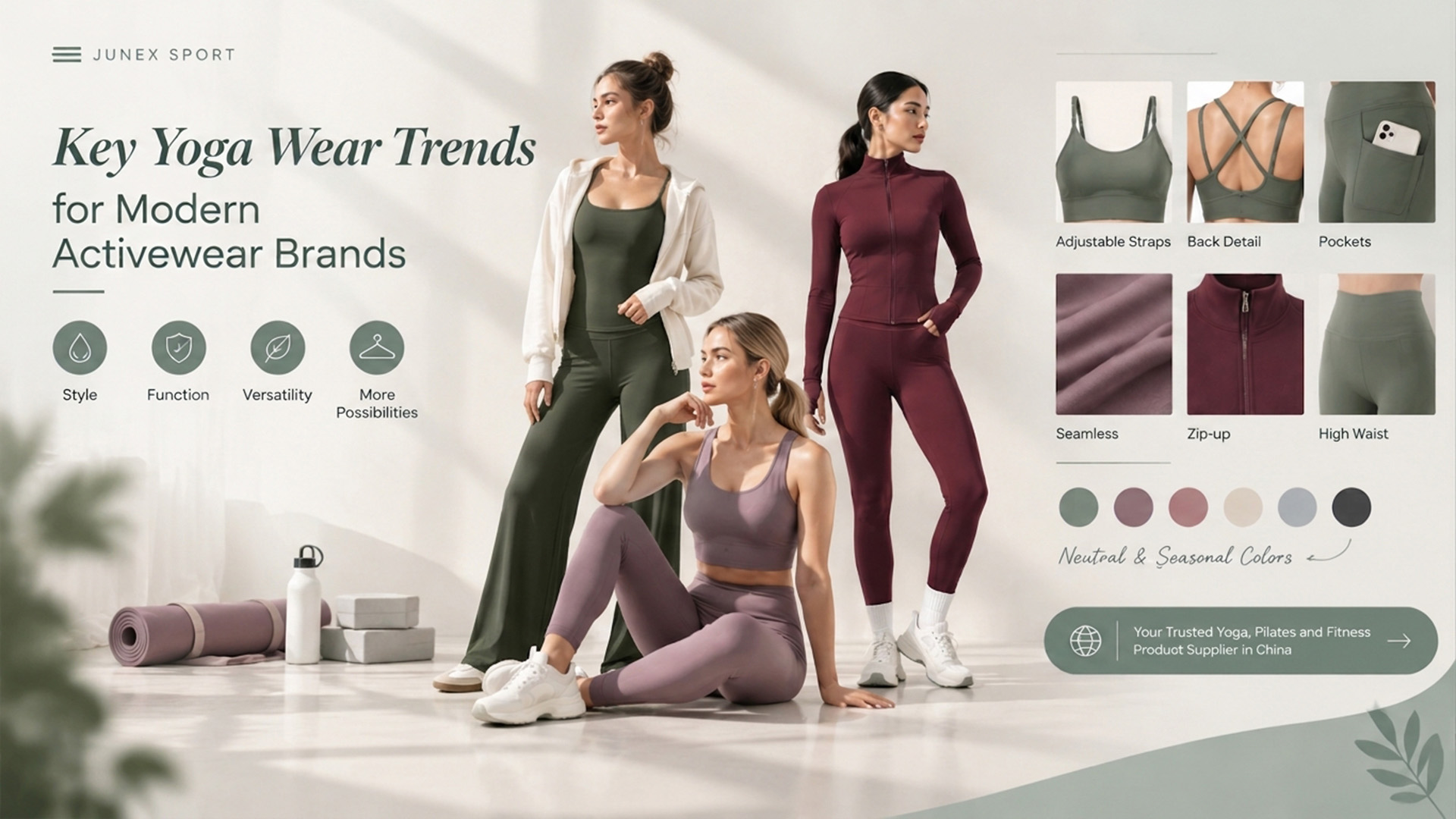
Yoga wear has evolved from clothing designed primarily for studio practice into a broader activewear category that combines performance, comfort, style, and everyday versatility.
Today, consumers may wear the same leggings for yoga, Pilates, strength training, running errands, or relaxing at home. For activewear brands, this shift creates opportunities to develop more versatile collections, introduce coordinated outfits, and offer products that fit different lifestyles.
For brand owners, retailers, wholesalers, and product development teams, understanding these changes is an important part of building a competitive yoga wear collection. The goal is not simply to follow every new trend, but to identify the styles, fabrics, colors, and functional details that make sense for your target market.
In this article, we explore seven key yoga wear trends shaping modern activewear collections and discuss how brands can turn these trends into practical product development opportunities.
1. Yoga Wear Is Moving Beyond the Studio
One of the most important changes in the activewear market is the growing overlap between workout clothing and everyday fashion.
Consumers increasingly look for garments that feel comfortable during exercise while remaining suitable for daily activities. Yoga leggings, fitted tops, sports bras, and lightweight jackets can now form part of both workout outfits and casual wardrobes.
For activewear brands, this creates an opportunity to develop products that combine functional performance with a versatile appearance.
From Performance Wear to Lifestyle Activewear
Traditional yoga wear often focuses on flexibility, comfort, and freedom of movement. These qualities remain important, but modern collections may also emphasize understated colors, clean silhouettes, soft fabrics, and easy-to-coordinate designs.
For example, a pair of high-waisted leggings can be styled with a sports bra for Pilates, a fitted top for a casual outing, or a lightweight jacket for travel.
This versatility allows brands to build collections around different occasions rather than developing products for a single activity.
What Brands Should Consider
When planning a yoga wear collection, consider how each item fits into your customers' daily routines.
Ask questions such as:
-
Can the product work for both exercise and casual wear?
-
Does the design coordinate easily with other pieces?
-
Is the fabric suitable for the intended activities?
-
Can the style appeal to customers with different preferences?
For brands targeting yoga, Pilates, and wellness lifestyles, versatile products can help create a more cohesive collection.
2. Matching Sets Continue to Build Complete Looks
Matching activewear sets remain an important product development direction because they offer a simple way to create coordinated outfits.
For brands, matching sets can also help connect individual products into a recognizable collection, encouraging customers to explore more than one item.
Bra and Leggings Sets
Sports bras and leggings are a natural starting point for a coordinated yoga wear collection.
Brands can create different looks by combining high-waisted leggings with sports bras featuring different necklines, strap designs, or levels of coverage.
Color coordination is especially important. Matching tones create a clean, unified appearance, while complementary shades allow brands to offer more styling options without developing entirely separate color stories.
Tops and Shorts
Tops and shorts offer another option for warmer climates, indoor training, and customers who prefer greater freedom around the legs.
A fitted crop top paired with coordinated shorts can create a lightweight outfit suitable for Pilates, fitness training, and casual activewear styling.
For product buyers, this category can also provide an opportunity to expand beyond leggings without changing the overall identity of a collection.
Complete Matching Sets
A more complete collection may include sports bras, leggings, shorts, fitted tops, and lightweight outerwear in coordinated colors and fabrics.
For example, a brand might build a collection around three core colors, with several silhouettes available in each shade. This creates multiple outfit combinations while maintaining a consistent visual identity.
When developing matching sets, brands should pay attention to fabric consistency, color coordination, fit, and the availability of related styles. These details are important when customers purchase separate pieces at different times.
3. Versatile Activewear for Yoga, Pilates, and Daily Wear
The boundaries between yoga, Pilates, gym training, and casual activewear continue to overlap.
Many consumers want clothing that can support different activities without requiring a completely different outfit for every occasion. This makes versatility a useful consideration for brands developing modern yoga wear collections.
Designing for Multiple Activities
Products intended for several activities need to balance comfort, support, flexibility, and appearance.
Leggings may require stretch and reliable shape retention. Sports bras need support appropriate to their intended use. Tops should allow comfortable movement, while lightweight layers can provide additional coverage before and after exercise.
Not every garment needs to perform equally well in every activity. Instead, brands should identify the main use cases for each product and develop specifications accordingly.
Building a Versatile Collection
A practical collection might include:
-
High-waisted leggings for yoga, Pilates, and everyday wear
-
Sports bras designed for different coverage and support preferences
-
Fitted tops that work well with leggings or shorts
-
Lightweight jackets for layering
-
Coordinated sets that create complete outfits
For B2B buyers, this approach can simplify collection planning by connecting individual styles through shared colors, fabrics, and design details.
JUNEX SPORT supplies yoga wear and activewear alongside yoga mats, Pilates props, and fitness accessories. For brands looking to develop a broader wellness-oriented product range, these categories can provide a starting point for discussing a more coordinated product offering.
4. Functional Details That Improve Everyday Wear
A garment's overall appearance may attract attention, but practical details often influence how useful it feels in everyday life.
For product developers, the challenge is to incorporate functional features without compromising fit, comfort, or the intended design.
Pockets
Pockets are a useful feature for leggings, shorts, and selected activewear styles.
They can provide convenient storage for small essentials during walks, outdoor workouts, or daily activities. However, pocket placement, depth, and construction should be considered carefully to avoid unnecessary bulk or discomfort.
Brands should evaluate whether pockets suit the intended customer and garment rather than adding them to every style.
Adjustable Straps
Adjustable straps can help users personalize the fit of selected sports bras and tops.
This feature may be particularly relevant for products designed around different fit preferences. When developing adjustable designs, consider strap hardware, comfort against the skin, durability, and the overall appearance of the garment.
Seamless Construction
Seamless activewear is often associated with a smooth appearance and reduced seam bulk in selected areas.
Depending on the construction method, seamless designs may provide a different fit and wearing experience from conventional cut-and-sew garments.
Brands considering this direction should evaluate the available manufacturing techniques, fabric properties, fit, and production requirements before selecting a suitable approach.
High-Waist Designs
High-waisted leggings remain a recognizable option in yoga and activewear collections.
They can create a streamlined silhouette and offer coverage around the waist during movement. Fit, waistband construction, fabric recovery, and comfort are important considerations when developing this style.
For B2B buyers, the key is to identify which functional details support the target market and product positioning. Adding more features does not automatically create a better product; each detail should have a clear purpose.
5. Layering Pieces Add Depth to Activewear Collections
While leggings and sports bras often form the foundation of yoga wear collections, layering pieces can help brands create more complete product ranges.
Lightweight outerwear also allows customers to adapt their outfits to different temperatures, settings, and daily activities.
Lightweight Jackets
Lightweight jackets can be worn before or after a workout, during outdoor walks, or as part of a casual activewear outfit.
For product development, consider fabric weight, flexibility, breathability, fit, and how the jacket coordinates with the main collection.
Zip-Up Styles
Zip-up jackets and tops offer convenient coverage and make it easier to adjust an outfit throughout the day.
Design considerations may include zipper quality, collar height, sleeve construction, pocket placement, and overall length.
A fitted zip-up jacket paired with matching leggings can also create a coordinated look without requiring a completely new outfit concept.
Long-Sleeve Tops and Lightweight Outerwear
Long-sleeve tops provide another layering option for customers who prefer additional coverage.
They can be developed in fitted or relaxed silhouettes, depending on the collection's positioning. Lightweight outerwear can extend the usefulness of core activewear products into cooler weather and transitional seasons.
Why Layering Matters for Brands
Adding a few well-designed layers can help transform a basic collection into a more complete wardrobe.
For example, a brand might start with leggings and sports bras, then introduce long-sleeve tops and lightweight jackets in matching colors. This creates more outfit combinations while allowing the brand to maintain a consistent visual identity.
For buyers, the important consideration is whether the additional products complement the existing range and meet a clear customer need.
6. Neutral and Seasonal Color Collections
Color plays an important role in how customers perceive an activewear collection. It can influence the overall mood of a range, the perceived versatility of individual products, and how easily items coordinate with one another.
Rather than selecting colors individually, brands can develop a consistent color strategy for an entire collection.
Neutral Colors for Core Collections
Neutral shades such as black, gray, cream, taupe, and muted green are useful options for brands seeking versatile, easy-to-coordinate products.
These colors can work across leggings, sports bras, tops, and outerwear, helping customers combine items from different parts of the collection.
For B2B buyers, core colors may also be useful when planning repeat orders or building a consistent year-round assortment. Actual demand will depend on the target market, brand positioning, and sales data.
Seasonal Colors for New Arrivals
Seasonal colors can introduce variety and give customers a reason to explore new collections.
Muted pinks, soft blues, earthy browns, and other carefully selected shades may be used to create a seasonal color story, depending on the brand's visual identity and target audience.
Brands do not necessarily need to introduce many colors at once. A focused palette can create a more cohesive appearance and make it easier to coordinate related products.
Creating a Consistent Color Story
When planning colors, consider how each shade works across different fabrics and garment styles.
A color that looks suitable on one material may appear different on another because of fabric texture, surface finish, and material composition. Sample evaluation and color approval are therefore important parts of product development.
For coordinated collections, buyers should also discuss color consistency across related items and future production runs.
7. What These Trends Mean for Activewear Brands
Understanding product trends is only the first step. The real challenge for brands is deciding which ideas are suitable for their customers, budgets, and sourcing plans.
A successful collection does not need to include every trending feature. It needs a clear product strategy that connects customer needs with practical design and manufacturing decisions.
Start with Your Target Market
Before developing new styles, define who your products are for.
A performance-focused yoga brand may prioritize fabric functionality, fit, and support. A lifestyle-oriented brand may focus more on coordinated colors, everyday versatility, and layering. A retailer serving a broad audience may need a balanced range of core styles and seasonal products.
Your target market should guide decisions about silhouettes, materials, colors, and product quantities.
Build a Balanced Product Assortment
Instead of launching too many styles at once, consider organizing your collection into three groups:
-
Core products: Essential leggings, sports bras, and versatile tops that form the foundation of the range.
-
Coordinated products: Matching sets, shorts, and complementary pieces that expand outfit options.
-
Seasonal and functional products: Layering jackets, long-sleeve tops, and selected styles with practical features.
This structure can help buyers prioritize product development and manage the range more systematically.
Evaluate Commercial Feasibility
Every product idea needs to be evaluated against practical sourcing requirements.
Consider fabric availability, development costs, minimum order quantities, sample requirements, production lead times, and expected selling prices.
A visually appealing design may not be the right choice if its development costs or production requirements do not fit your business plan.
Discuss these factors with your supplier early so that design decisions and purchasing expectations remain aligned.
Work with a Supplier That Understands Your Product Goals
A suitable manufacturing partner can help you evaluate product specifications, explore available customization options, develop samples, and prepare for bulk production.
For brands using OEM or ODM services, communication is especially important. Share your reference images, target customer, preferred materials, expected price range, and customization requirements before development begins.
JUNEX SPORT works with brands, retailers, wholesalers, and other business buyers seeking yoga wear, yoga and Pilates mats, Pilates props, and fitness accessories. Our OEM/ODM services support discussions around product development and customization, helping buyers explore suitable options for their planned collections.
For businesses developing a wider yoga, Pilates, or wellness product range, working with a supplier that covers related categories can also create opportunities to coordinate apparel and complementary products.
Planning your next yoga wear collection?
Contact JUNEX SPORT to discuss your product direction, customization requirements, and sourcing plans.
Explore our JUNEX SPORT Customization Services to learn more about our OEM/ODM capabilities.